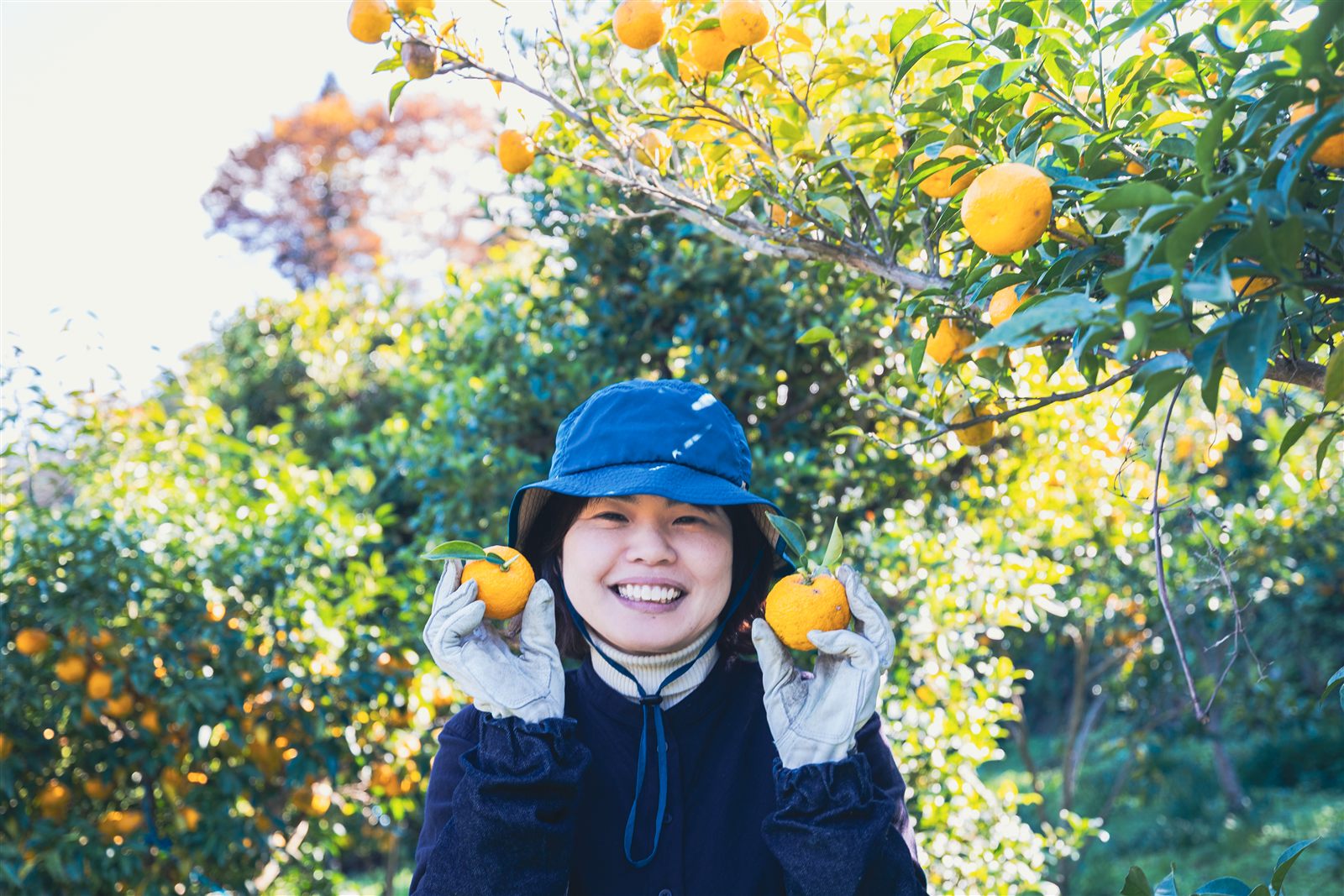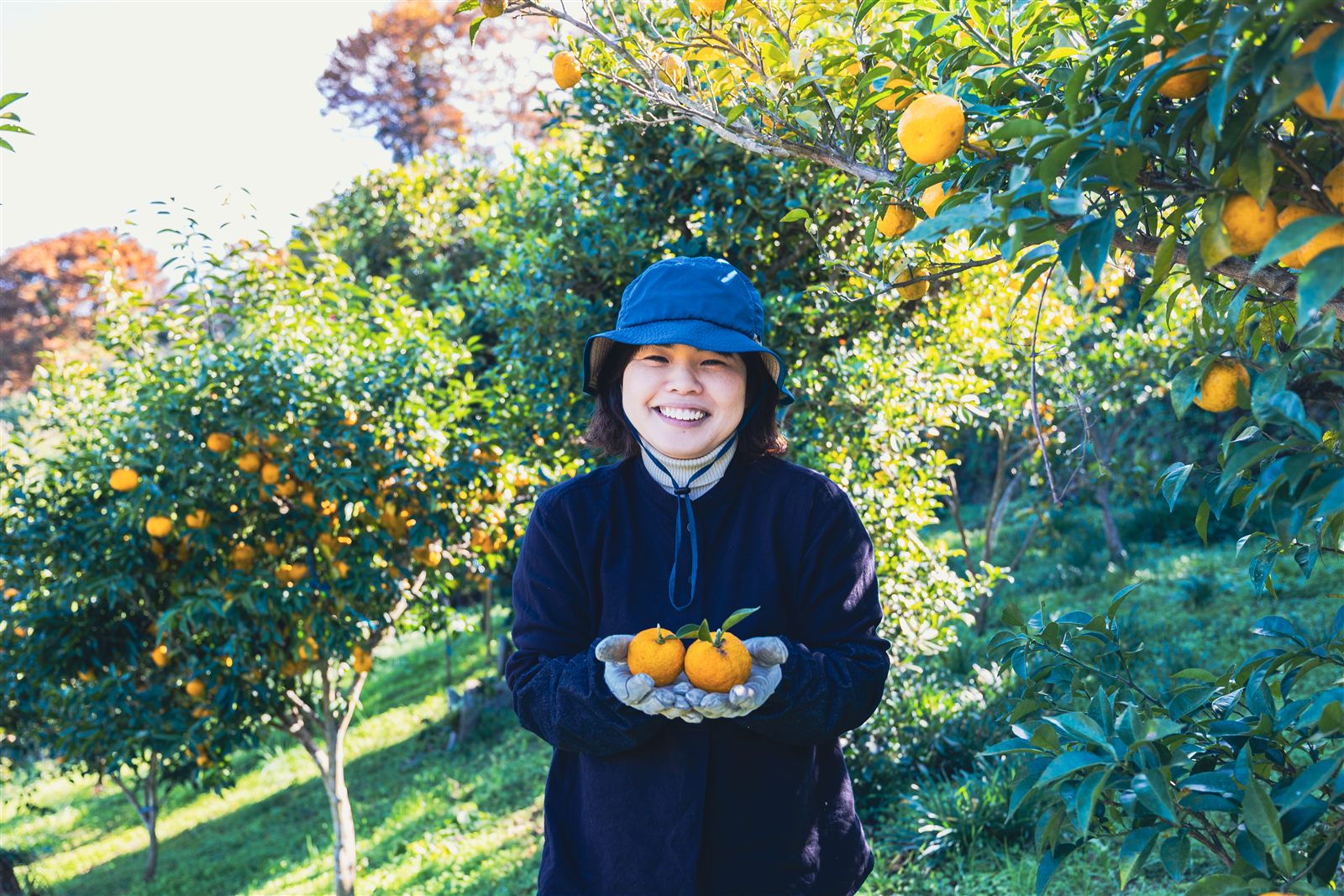
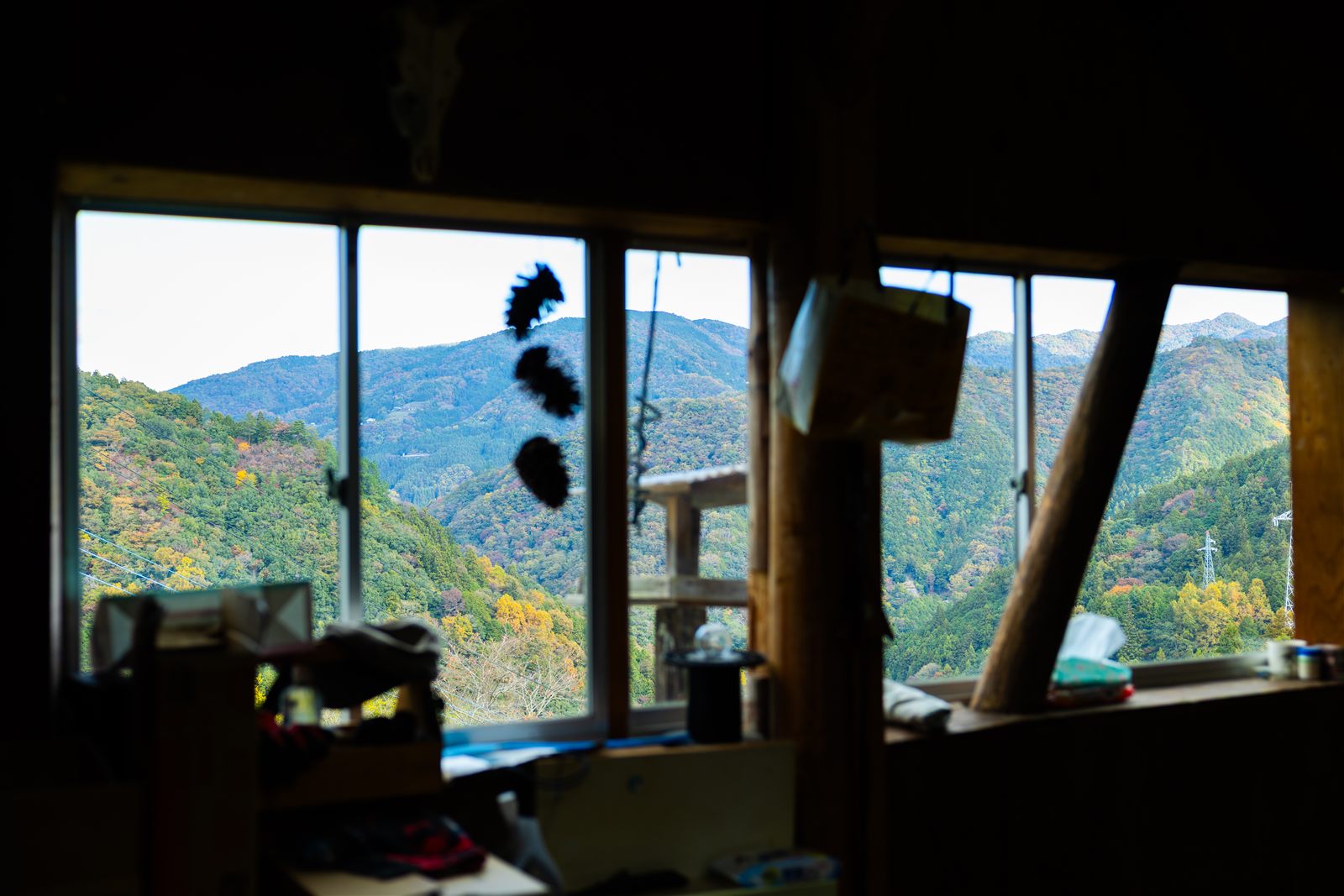
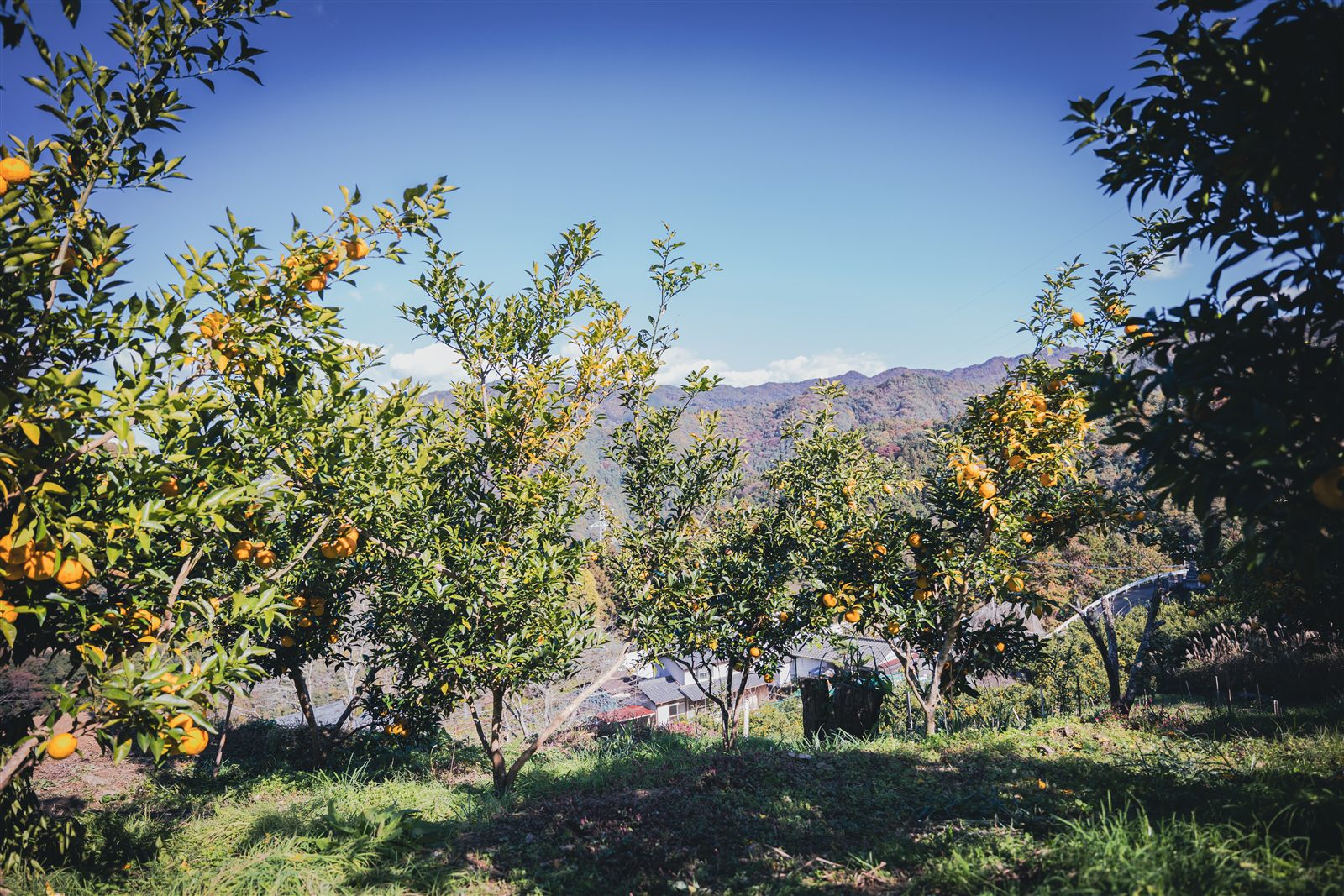
In a room warmed by a wood stove, we were handed a steaming cup of yuzu syrup and hot water. The scent rose before the cup reached our lips. Outside the window, autumn color was beginning to spread across layers of mountains.
In November 2025, we visited Yuzu You in the mountains of Tsurugi, Tokushima. Our host was Kaori Yoshioka, a grower of certified organic yuzu who is also a physical therapist.
Raised in Osaka, drawn to a family field
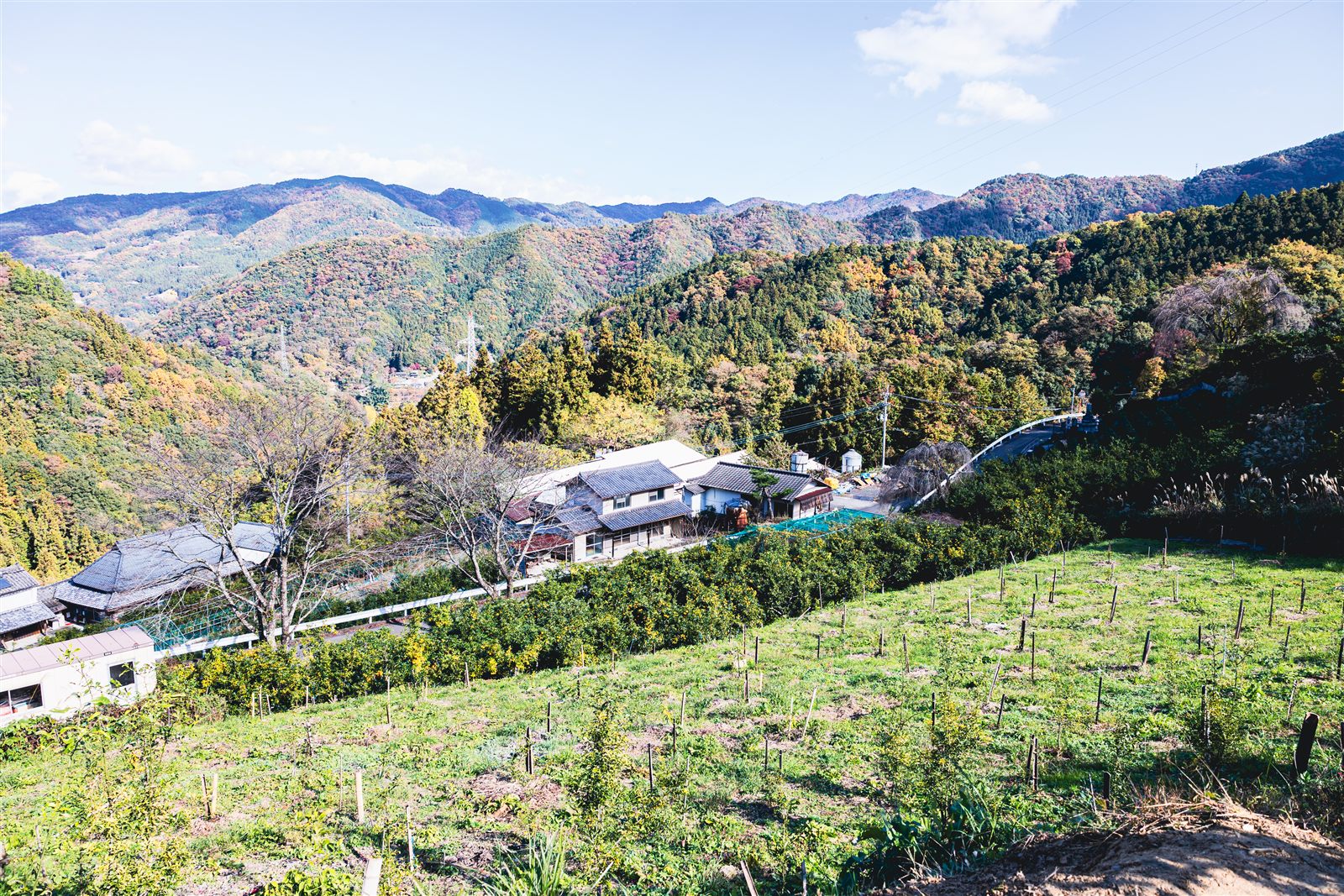
Yoshioka was born in Tsurugi while the family was visiting home, and grew up in Osaka until finishing high school. Both parents are from this area.
Yuzu planting spread around here about 50 years ago, but at the time the parents were working in Osaka. Today's yuzu trees stand where the grandparents once grew vegetables. After retiring and moving back, the parents heard that yuzu was a good choice and planted saplings about 10 years ago. Yoshioka moved here about 15 years ago, and harvesting and shipping began in earnest within the past five years or so.
The two-minute talk that changed things
The turning point was the Tokushima Future Academy, a course on regional issues. An acquaintance at the town office suggested it. Yoshioka wasn't interested at first and kept giving vague answers, but the invitations continued, and in 2021 Yoshioka joined.
The course ends with a two-minute talk on an issue you have found and what you could do about it with others. As a physical therapist, Yoshioka planned to speak about exercise for older people. Then the idea changed.
"Yuzu just came down to me, out of nowhere. It was strange, but I thought: it's yuzu."
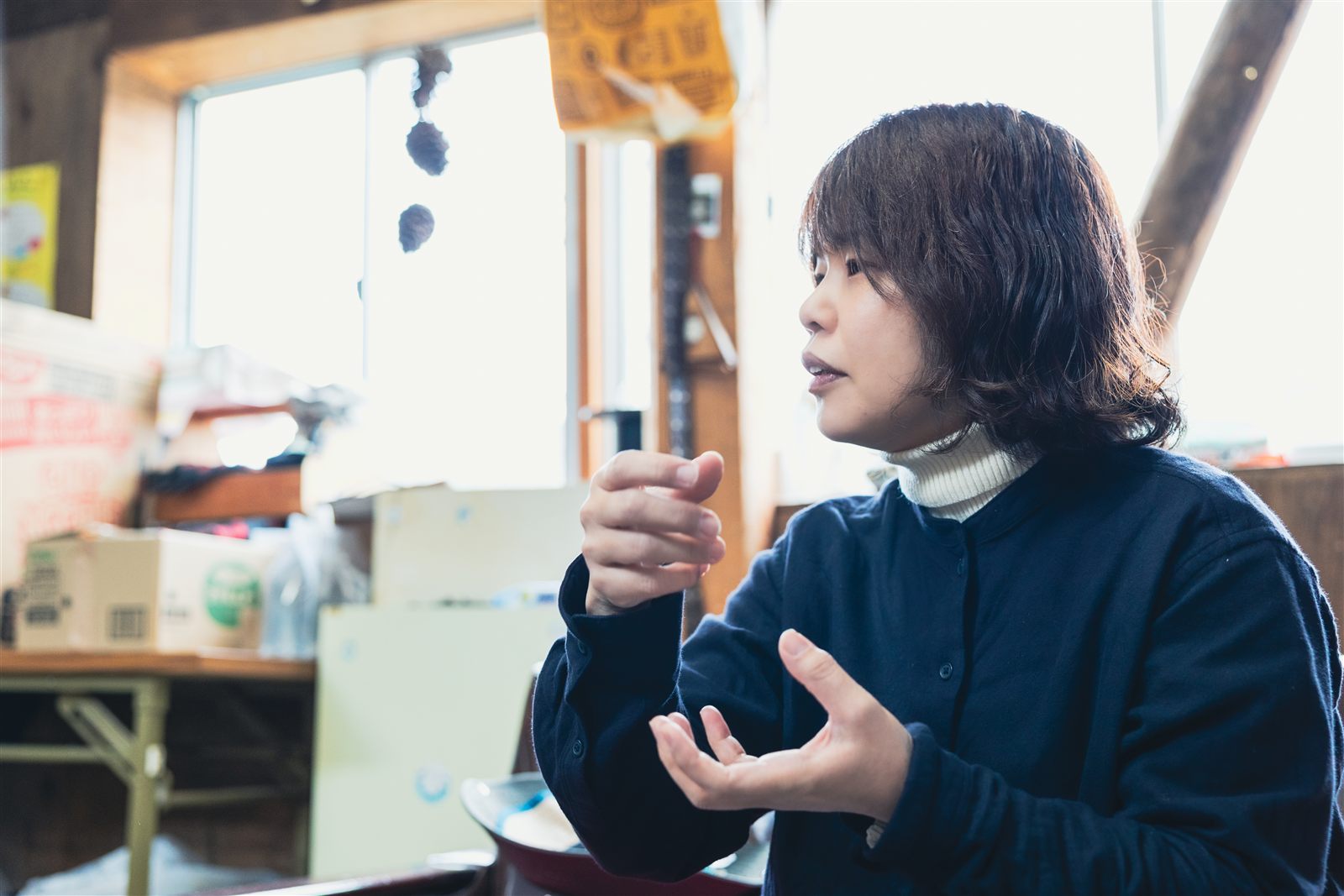
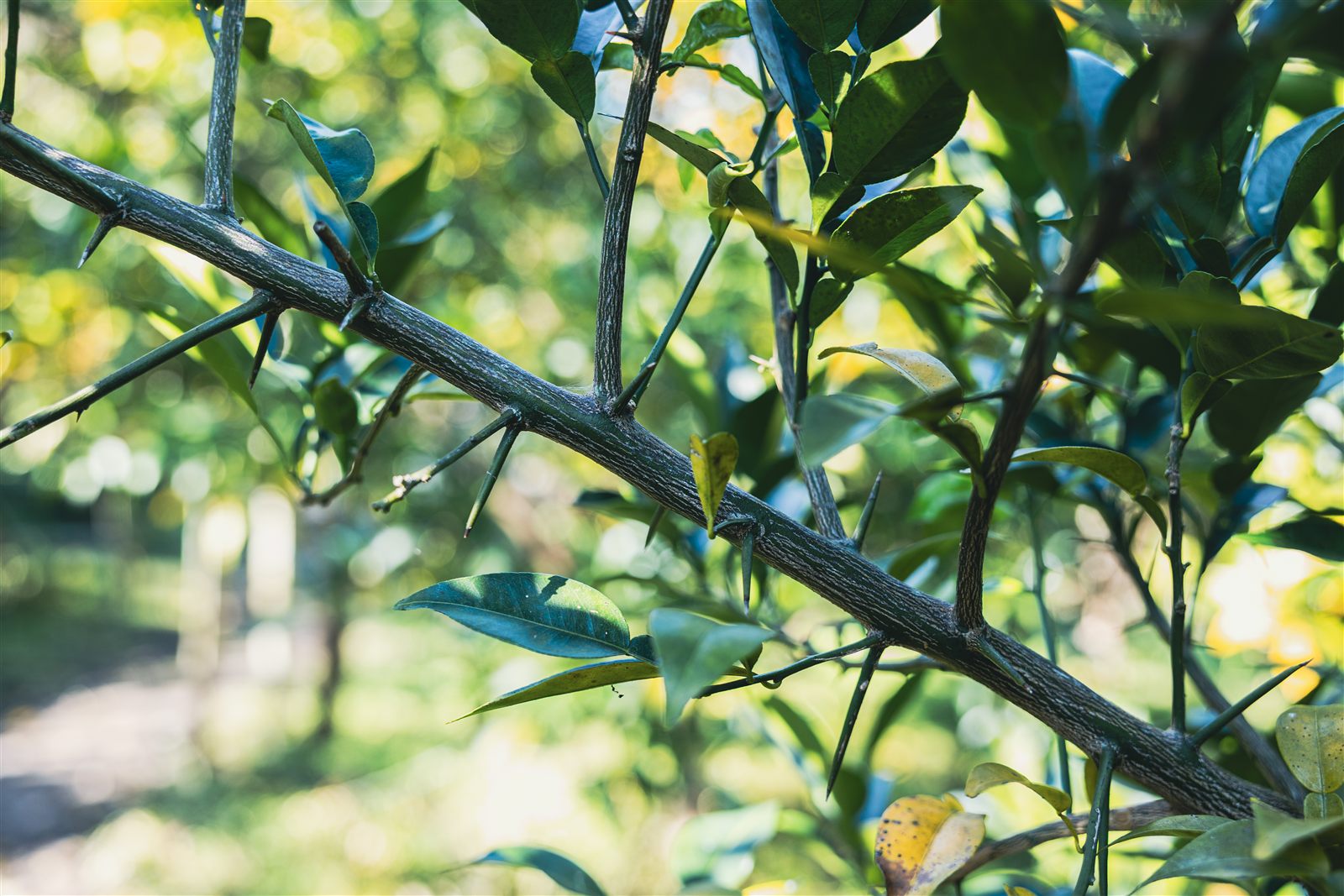
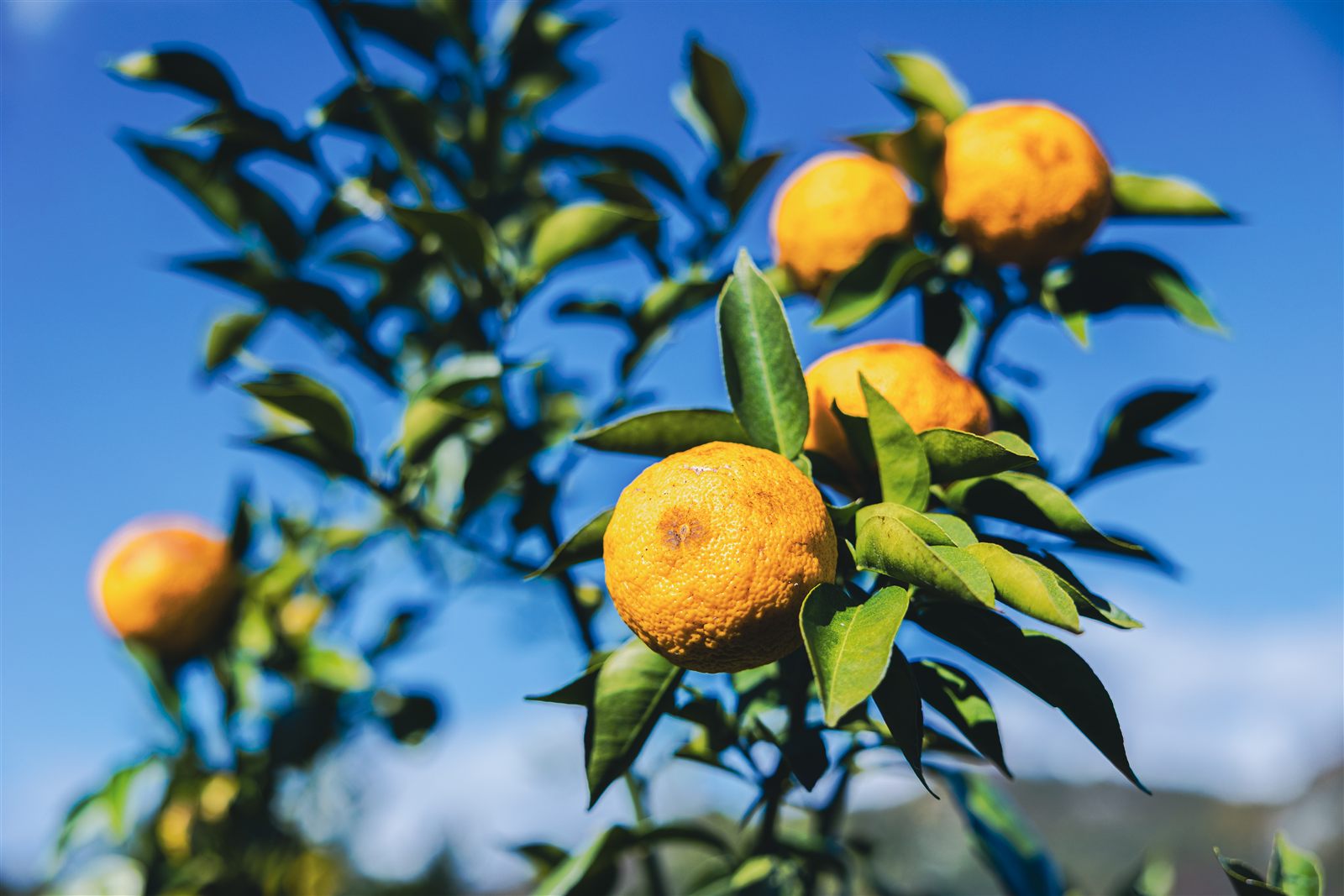
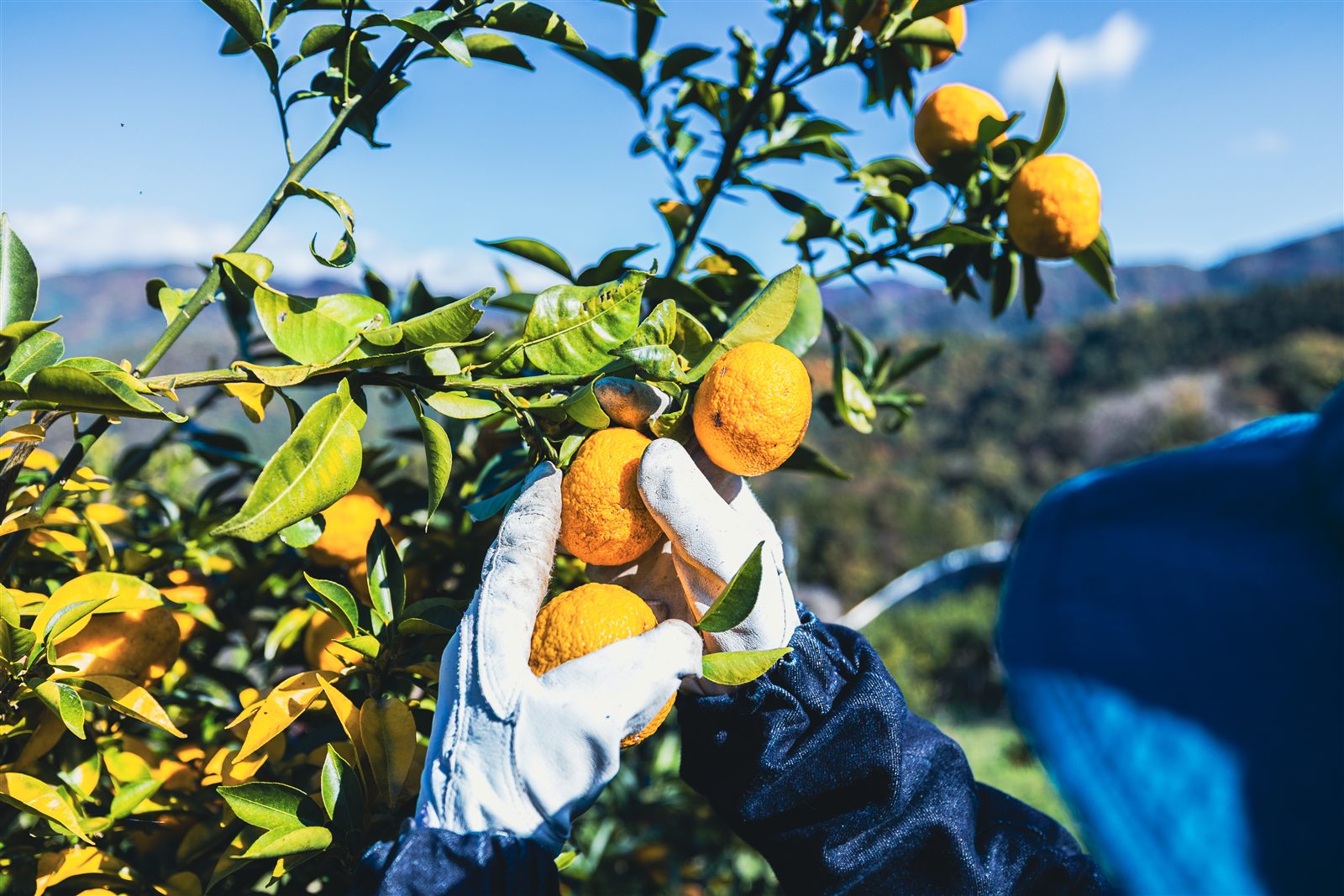
Behind it was what Yoshioka had noticed while helping out. Yuzu is heavy, and the trees have sharp thorns, so harvesting is hard work. Yet when Yoshioka asked the parents what they received for it, the low price came as a shock. Something with such a wonderful scent, sold so cheaply.
Even many Tokushima residents don't know Tsurugi grows yuzu. "I want to make this town's yuzu famous." That thought set everything in motion.
Eighteen years to the first fruit
Yoshioka's particular passion is misho yuzu, grown from seed. A typical grafted sapling yields a harvest in about five years. A seed-grown tree takes 18.
"My parents said, 'Eighteen years? What are you going to do with that?'" Yoshioka laughs. The reason is the aroma, which Yoshioka describes as overflowing from the peel. The acidity is strong too, and the trees are vigorous, reaching six or seven meters. Some are said to live 100 or 200 years.
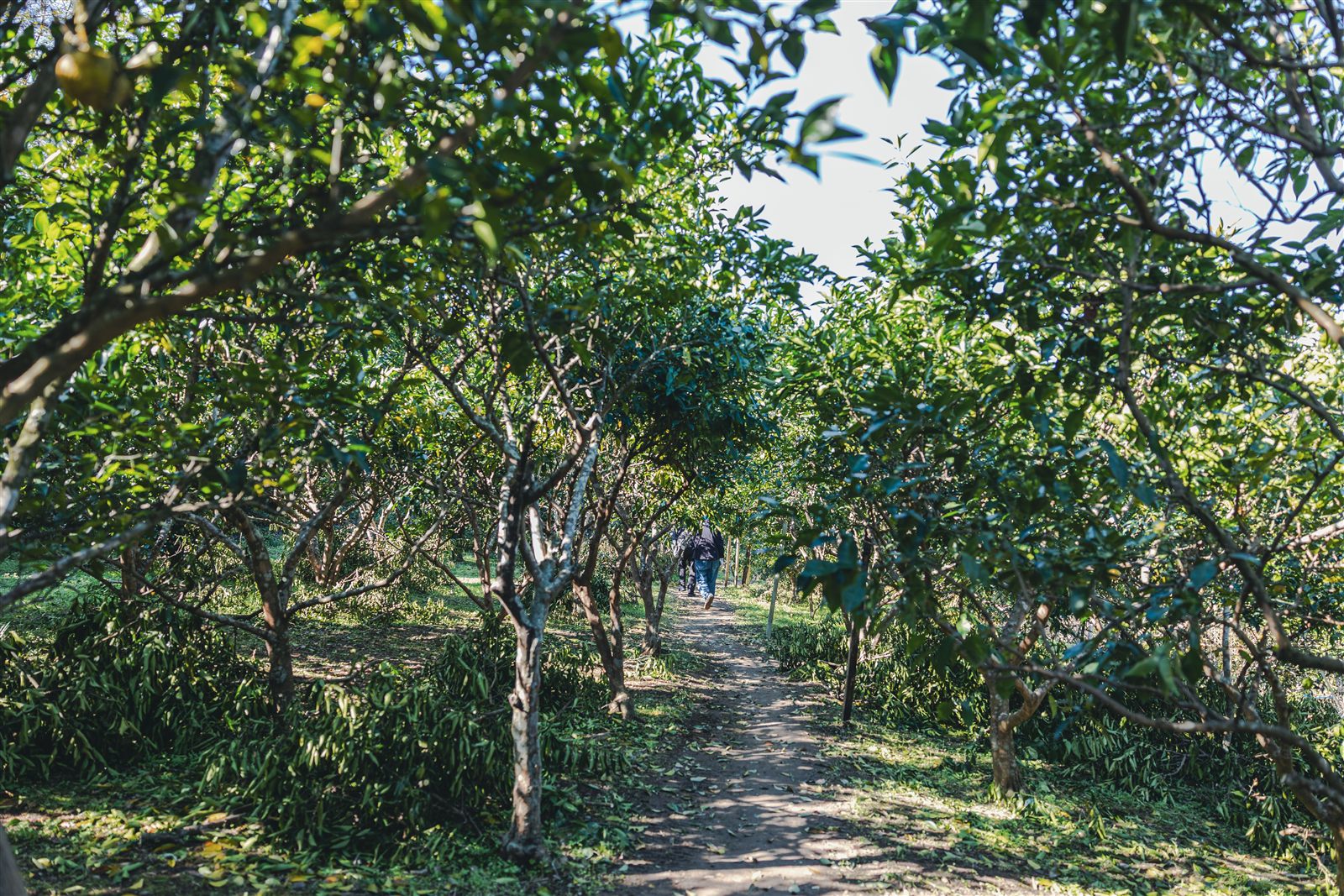
About 200 seed-grown saplings now stand here, and Yoshioka is waiting for them to grow.
Returning to the soil
The orchard uses no pesticides or chemical fertilizers. In 2025, it received organic JAS certification for the way it had already been farmed. Asked why, Yoshioka answers frankly: "It was a vague kind of longing." With help from the agricultural support center, getting certified went more smoothly than expected, though keeping the records for renewal is the next challenge.
This area is also home to the Nishi-Awa steep slope farming system, a Globally Important Agricultural Heritage System. Following the tradition of the slopes, Yoshioka uses kaya grass in the field, where it returns to the soil as fertilizer.
"You take what's growing here and return it to the soil as fertilizer. I think there's value in that."
Peel and all, made after hours
People often said they didn't know what to do with a gift of yuzu, so Yoshioka's first product was jam, made with beet sugar and plenty of peel, as only pesticide-free fruit allows. "I doubt you'll find many jams with this much peel."
That doesn't mean it came naturally. "It was agony," Yoshioka says, laughing. Yuzu peel is very bitter and needs careful preparation. Even then, eating a lot can make the tongue tingle. Some people blame pesticides, but this is simply the character of yuzu.
A visiting buyer from Tokyo once asked what the selling point was. "I don't have one," Yoshioka replied, and heard that jam is a crowded market. That led to a new product: a jar packed with yuzu slices, steeped in rock sugar and honey during syrup-making, ready to eat as they are.
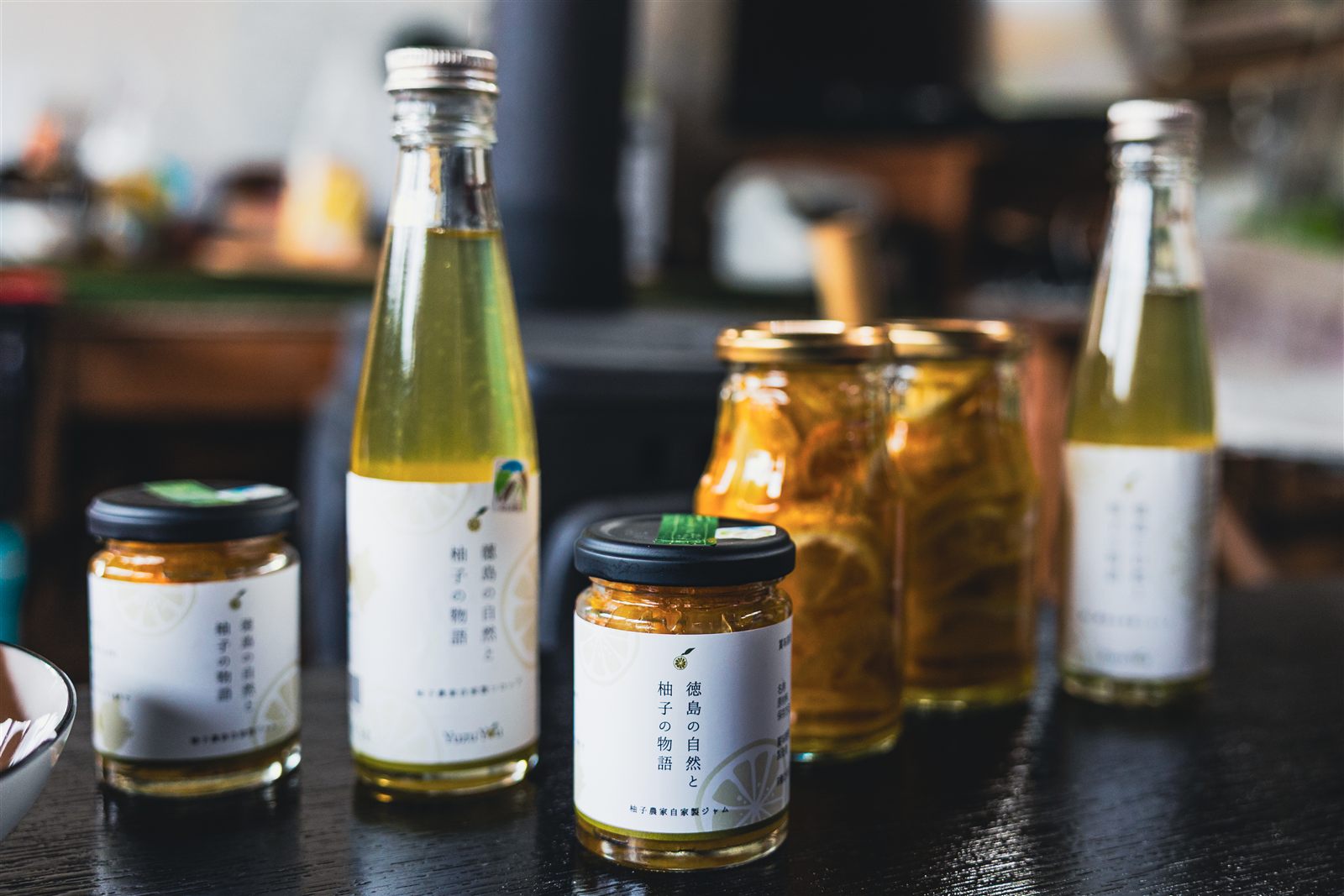
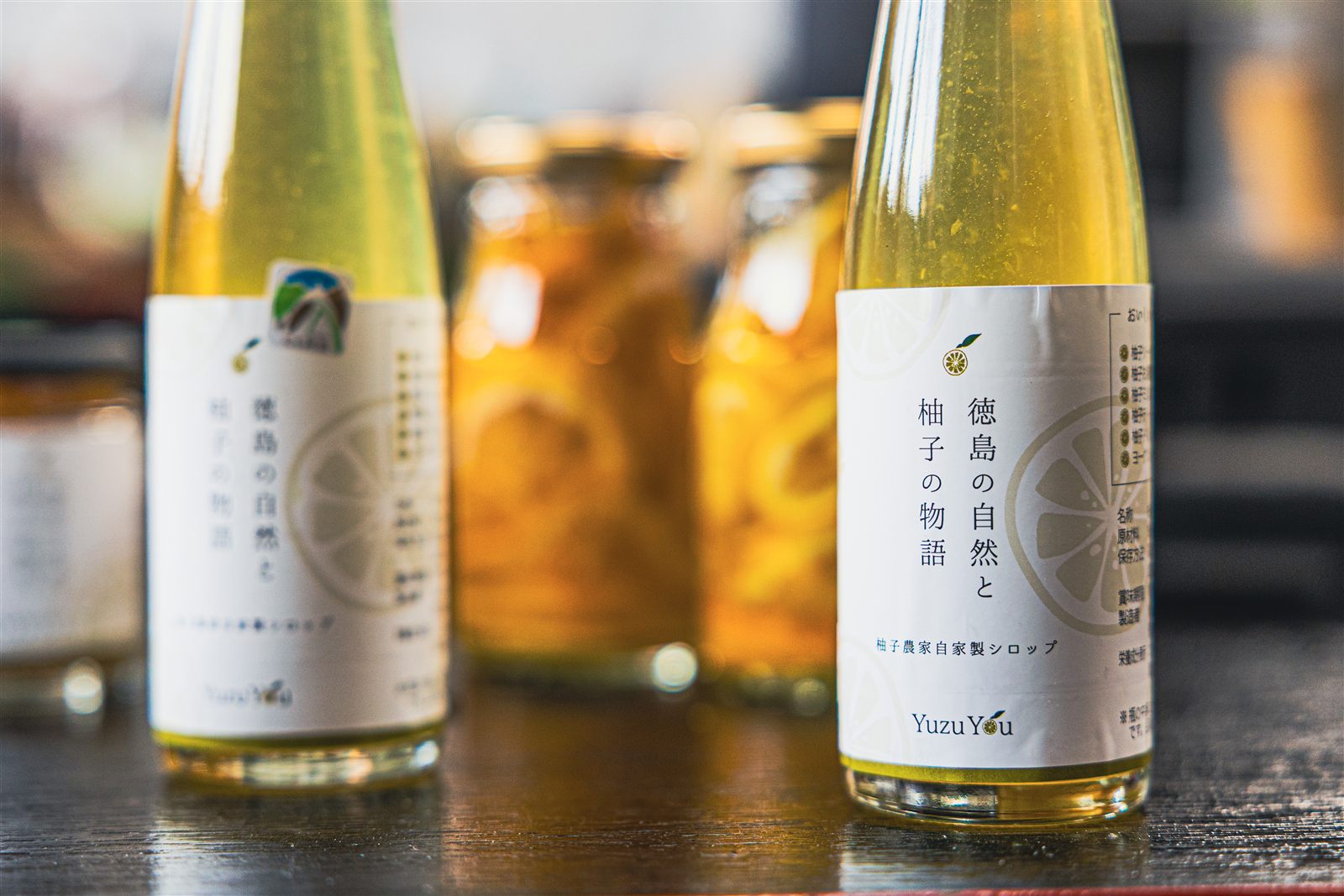
Yoshioka works full-time as a physical therapist, from morning to evening, so processing comes afterward. The year before our visit, the work ran until two or three in the morning. In 2025, helpers took on part of it. "If I could, I'd go all in on yuzu right now." For now, the challenges of getting there are being worked through one at a time.

"You" means you
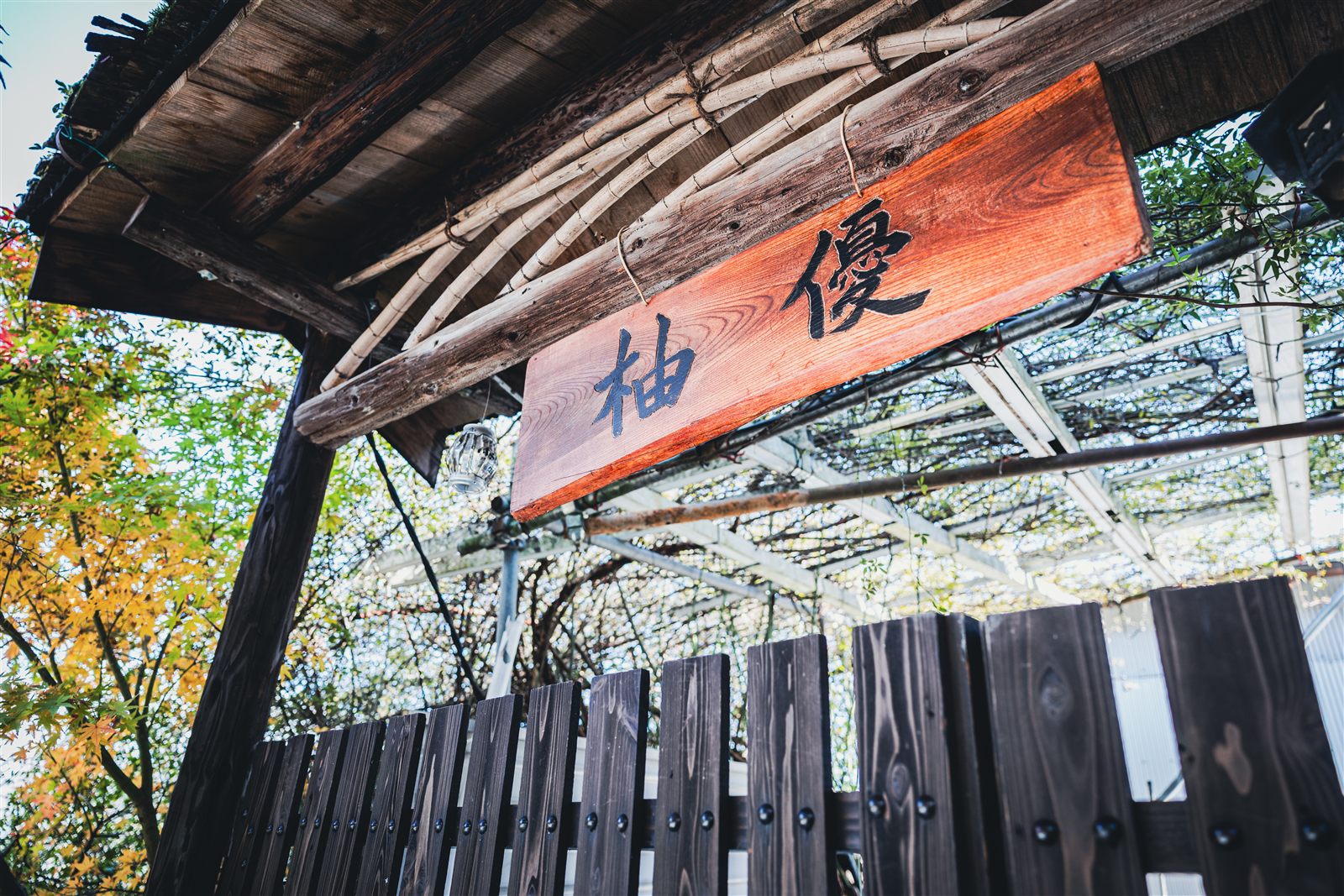
The name began playfully. Yoshioka liked the sound of a word on a sign the parents had put up and wanted to "do this for fun," so the business became Yuzu Yu, using the Japanese character for play. It later moved to Roman letters, and "You" took on a second meaning: yuzu in your daily life.
An orchard with an echo
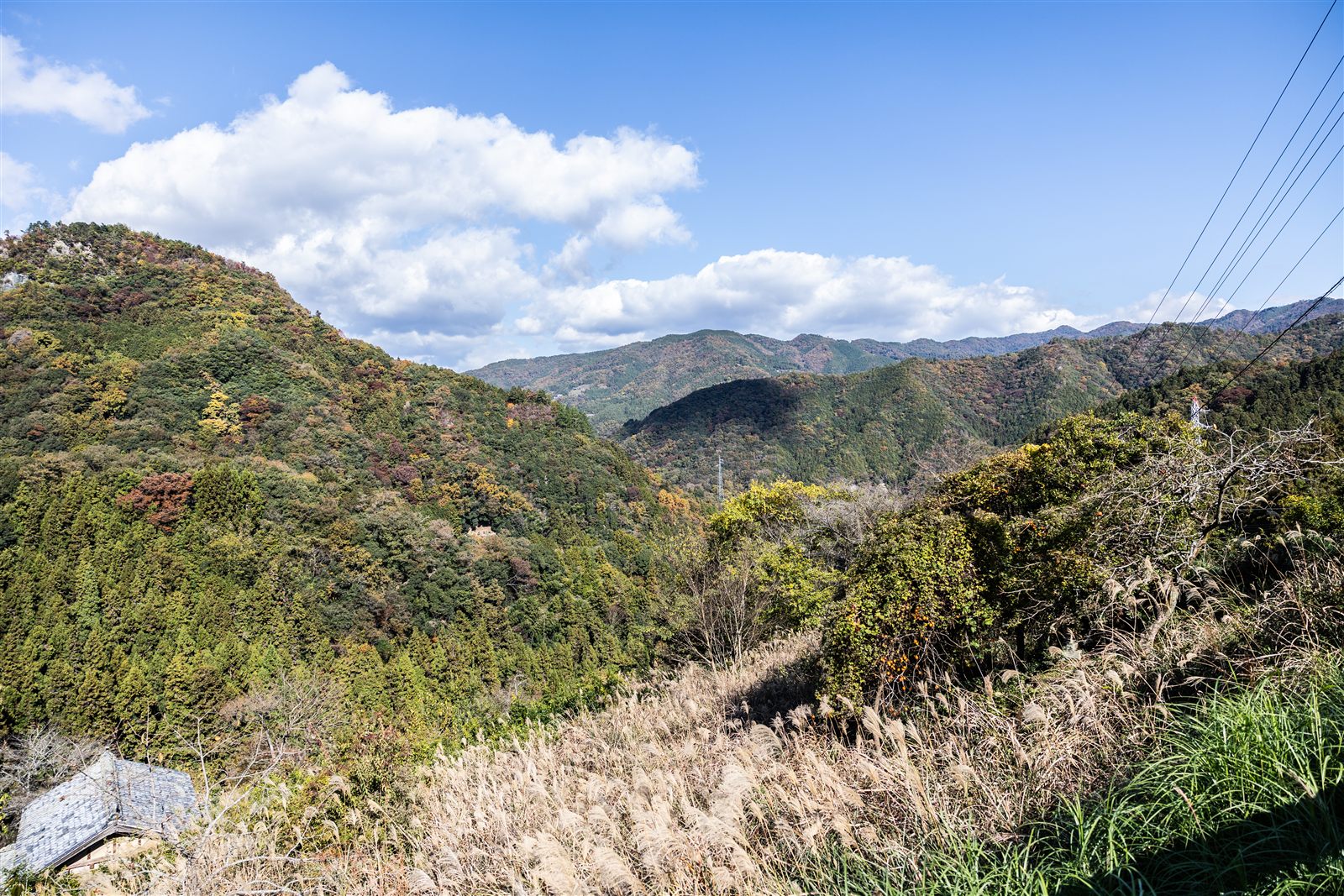
Yoshioka has recently noticed another strength: the scenery. "There can't be many yuzu orchards this wide where you can hear an echo."
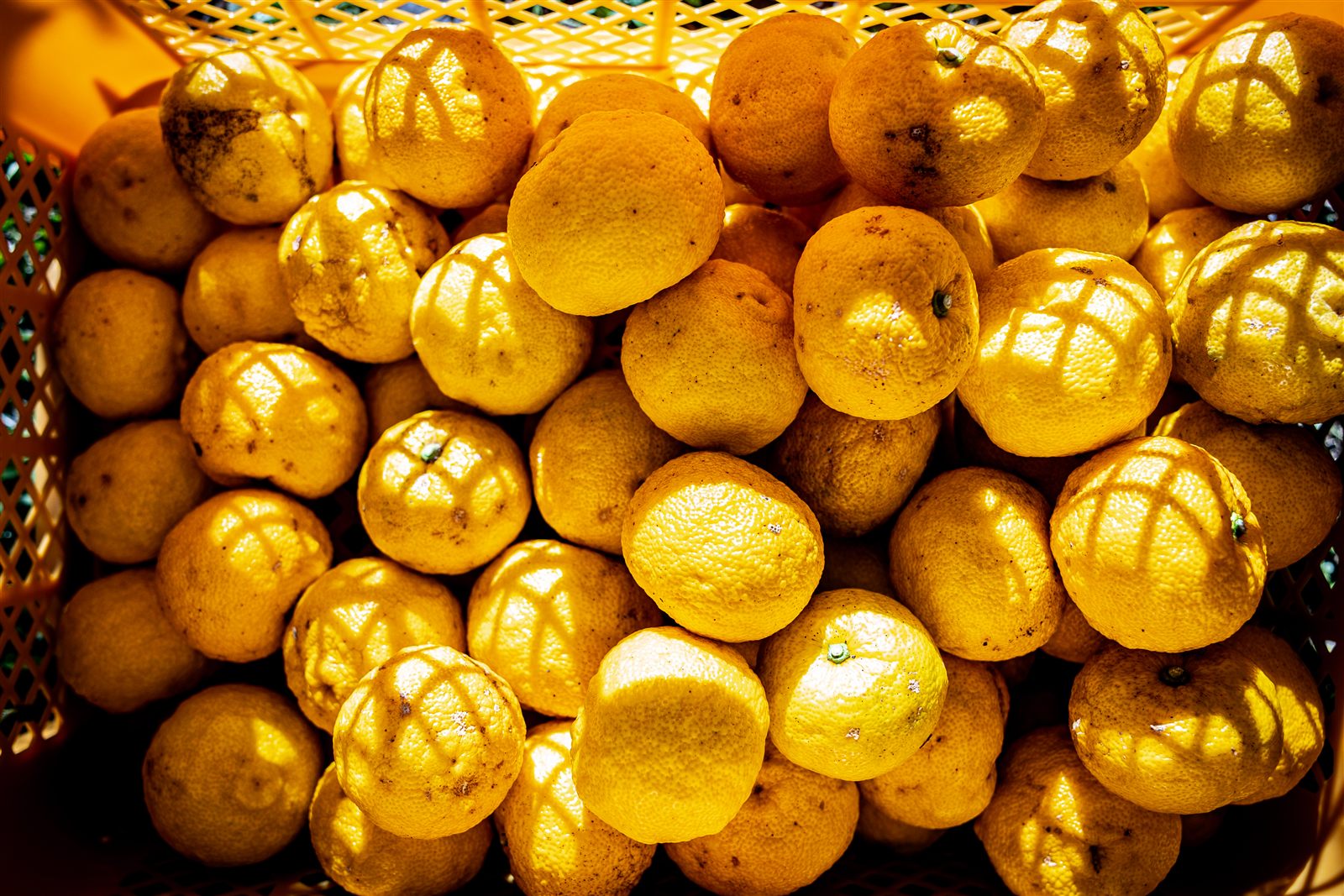
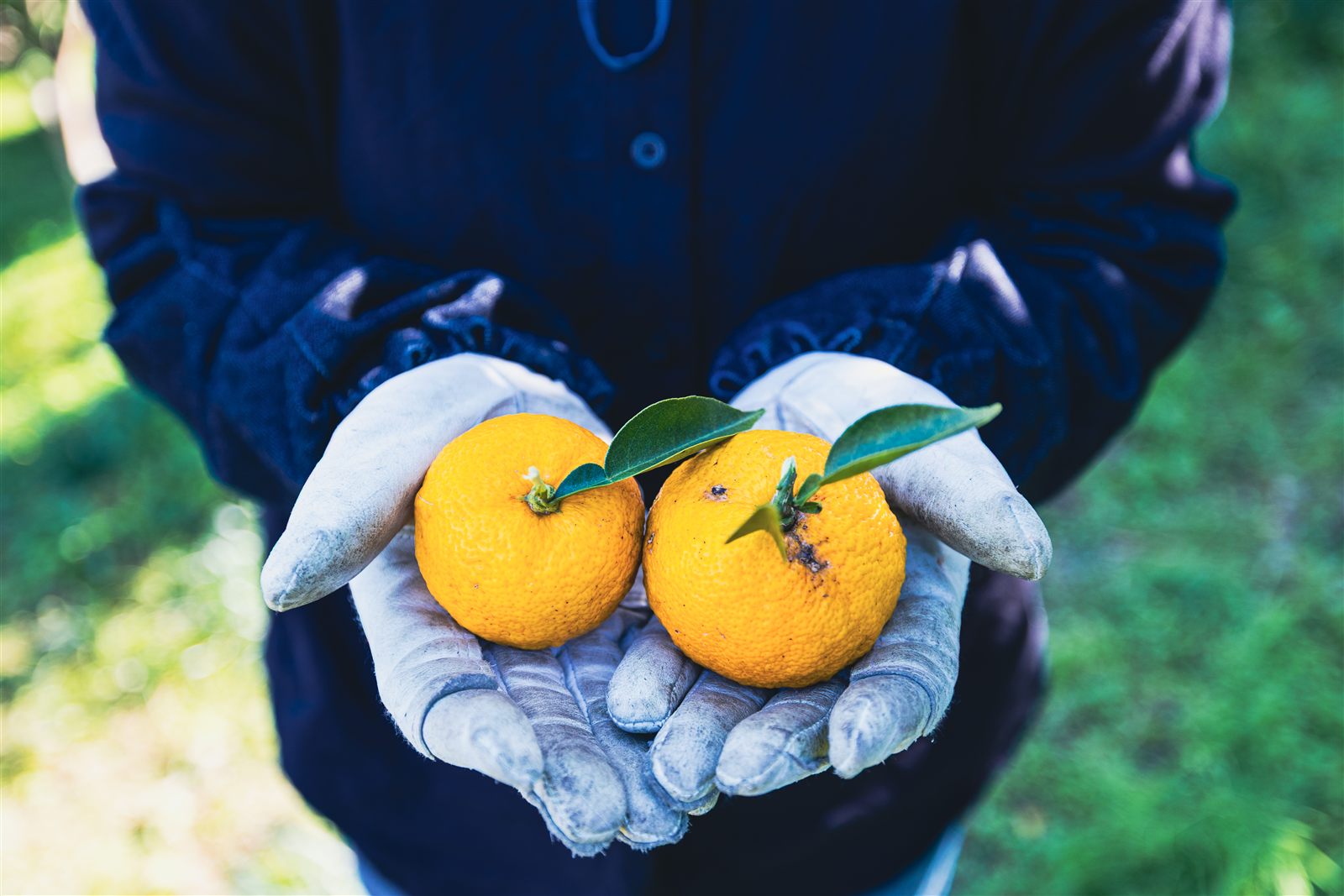
Visitors now come for harvest experiences. One from Tokyo had no idea how yuzu grows and was surprised by the thorns. A group of elementary school students peeled the fruit by hand and started eating, calling it delicious. We tried it too. The peel is tough and there are many seeds. It is certainly sour, but milder than we expected, and quite edible. There is more to yuzu than squeezing it.
About 70 households belong to the local growers' association, but they are aging, and harvests have fallen sharply from their peak. Asked about the dream, Yoshioka answers immediately.
"Young people growing yuzu, full of energy, and people saying, 'If it's yuzu, it's Tsurugi.'"
For now, Yoshioka is moving forward step by step under the Yuzu You name. Someone discovers the brand, asks where it comes from, and arrives at Tsurugi. Perhaps that is the right order.